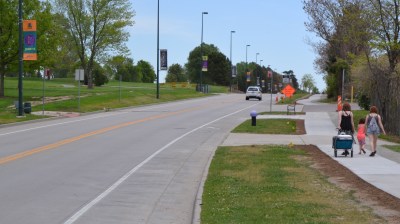
The allocation to sidewalks might be less of a problem if Denver had a policy and a funding stream that treated sidewalks as fundamental infrastructure instead of a special treat for lucky neighborhoods. But that's not the case.
Perhaps most importantly, a Denver DOT elevates transport to the city-building puzzle piece that it is. Urban transportation affects the economy, housing, and affordability. It should not revolve around fixing potholes.
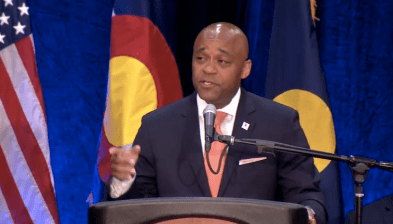
Mayor Michael Hancock announced a $2 billion-plus "mobility action plan" today aimed at creating a transportation system in which 30 percent of all commuters walk, bike, or take transit by 2030, and no more than 50 percent drive alone. Carpoolers and people who work from home would fill the remaining gap.
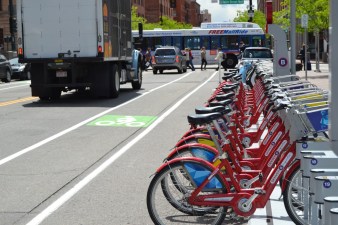
Right now the same organization that treats solid waste decides how the city's streets are organized for walking, biking, transit, and driving. But soon Denver will join other major cities around the country and create a separate Department of Transportation and Mobility.
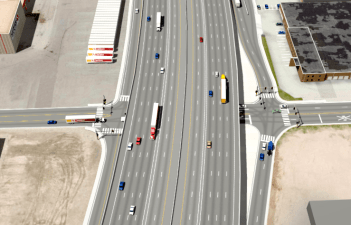
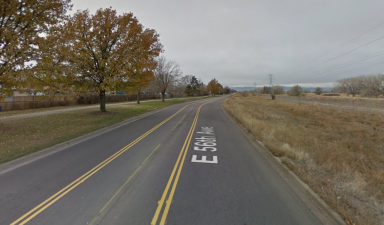
Back in February, Michael Hancock told a room full of sustainable transportation advocates, “We need to absolutely transform our city from a car-focused, automobile-centric system, to a people-centric transportation and mobility network.” Fast forward four months, and Hancock and the Denver City Council may do the exact opposite by spending $27 million to widen 56th Avenue […]